Historical Imagery Accuracy
We fixed our visuals — because history deserves to be seen right.
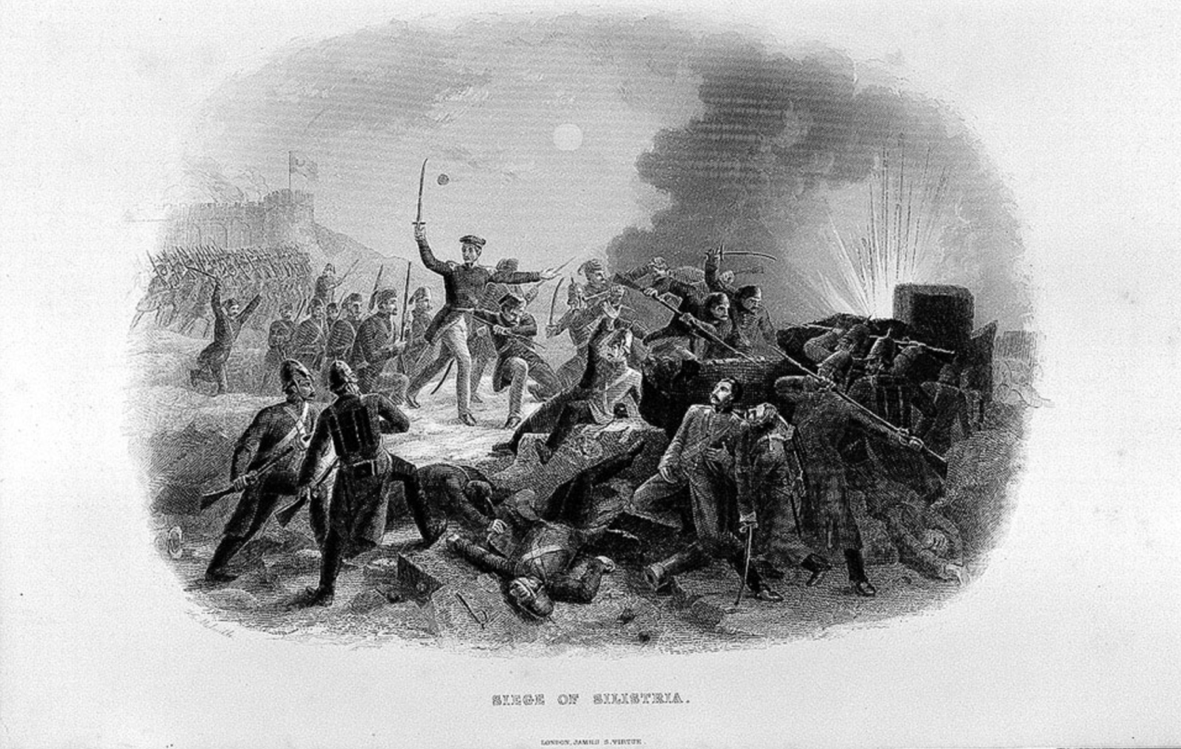
Fig : Title: Turkish troops storming enemy positions at Silistria, 1854. Author: National Army Museum. Source: CRIMEAN WAR, License: National Army Museum Copyright
Around ↗ 0:50 in the video, we used black-and-white footage from the early 20th century, depicting scenes from World War I, to accompany our discussion of 19th-century nursing roles and concepts. While this approach met the practical need for available visual material, it compromised historical accuracy. The root of the problem lay in our focus on task completion. We aimed to enhance the narrative’s historical depth and visual impact through imagery, without thoroughly verifying the alignment between the footage’s time period, historical context, and our own argument. This use of temporally mismatched visuals as narrative fillers not only risks misleading viewers but also overlooks the importance of respecting and accurately representing historical context and the provenance of visual materials. It weakens the scholarly rigour of our work.
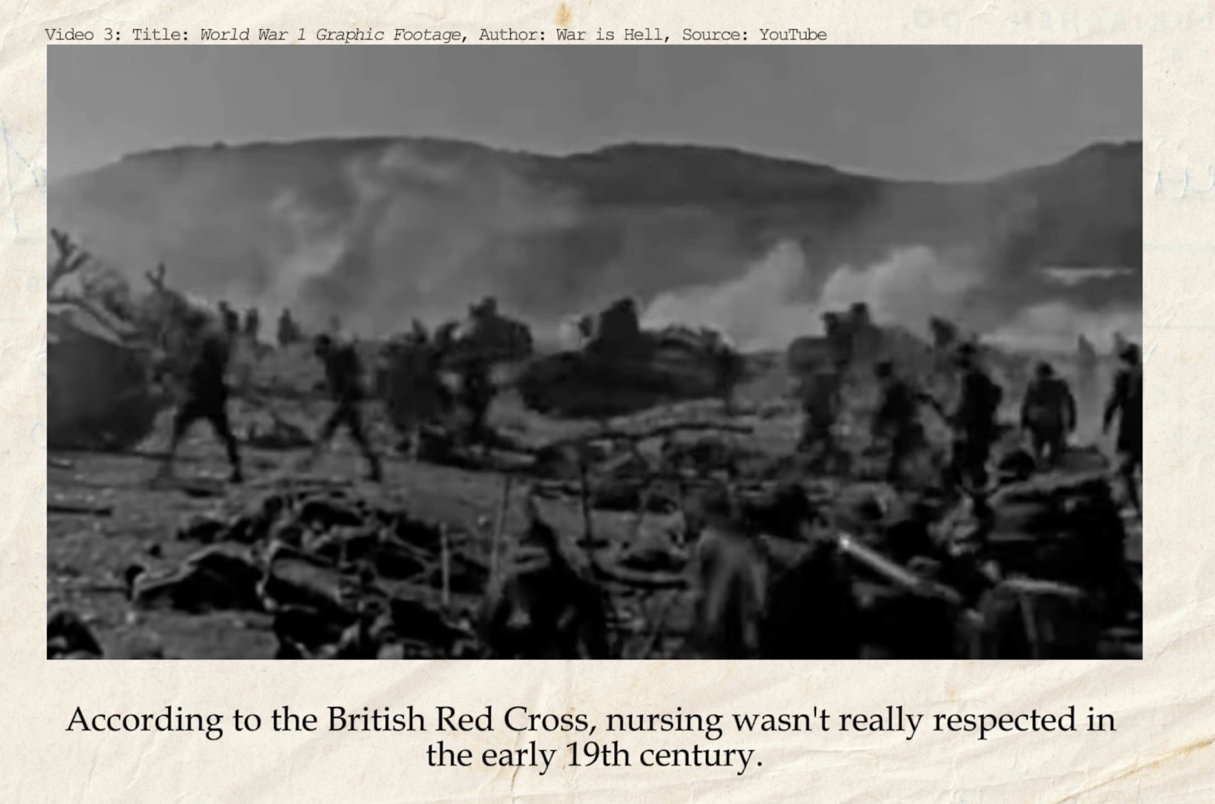
To address this, we first try to find images from original historical archives, such as 19th-century engravings, photographs from Nightingale's time, or illustrated manuscripts. However, since it is difficult to find photos from that period, we selected the required photos ↗ from relevant web pages.